Research

Our Topics

© Christoph Hohmann

Research

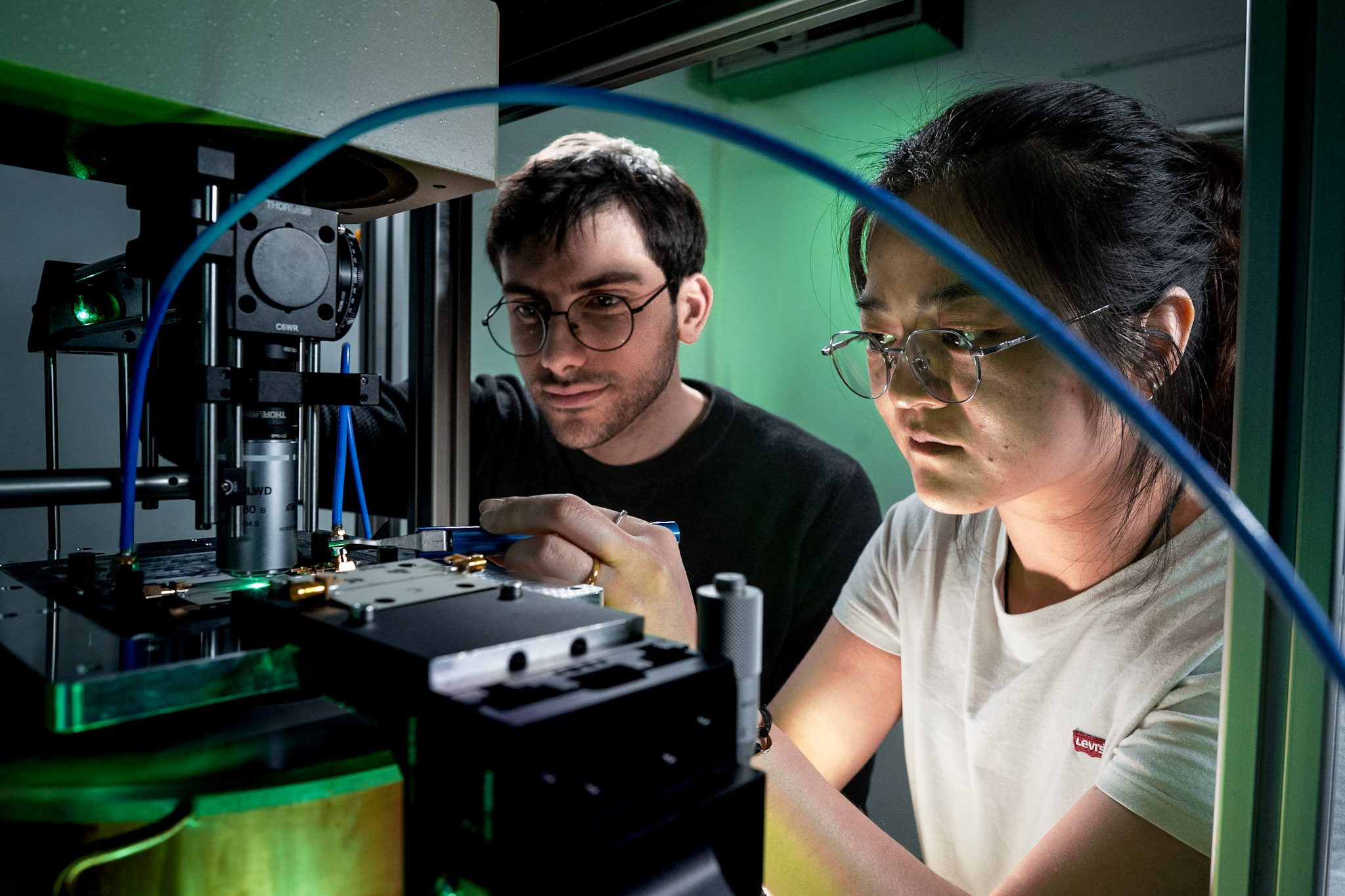
In the lab
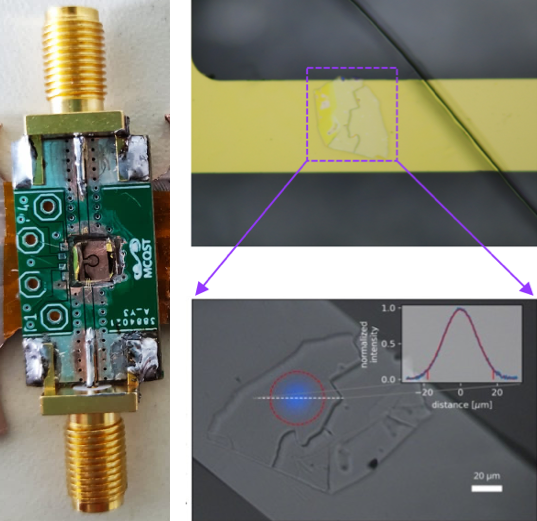
Microwave control for spin defects

All D - Spin defects discovery

Our focus is to explore novel spin defects in solid-state materials and to develop new methods for the systematic screening and identification of promising host systems. By combining optical and microwave spectroscopy with wide-field microscopy, we aim to establish scalable approaches to reveal, understand, and engineer spin and optical properties down to the single-defect level. Our long-term goal is to enable robust solid-state quantum technologies that operate under realistic conditions and can be applied across disciplines, from materials science to biology.
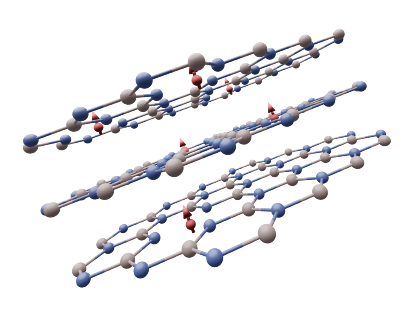
hBN for atomically thin quantum sensors

2D - Atomically thin quantum sensors

Our goal is to explore and develop optically active spin systems in two-dimensional materials. Starting from platforms such as hexagonal boron nitride and exploiting defects including boron vacancy centers as well as newly discovered spin one half pair defects, we aim to reduce the sensor thickness to the atomic limit in order to maximize the interaction between the quantum sensor and its target, thereby enhancing detection sensitivity. The ultimate objective is to realize robust atomically thin quantum sensing architectures with full spin control and nanoscale sensitivity.

Nanotube-based quantum technology

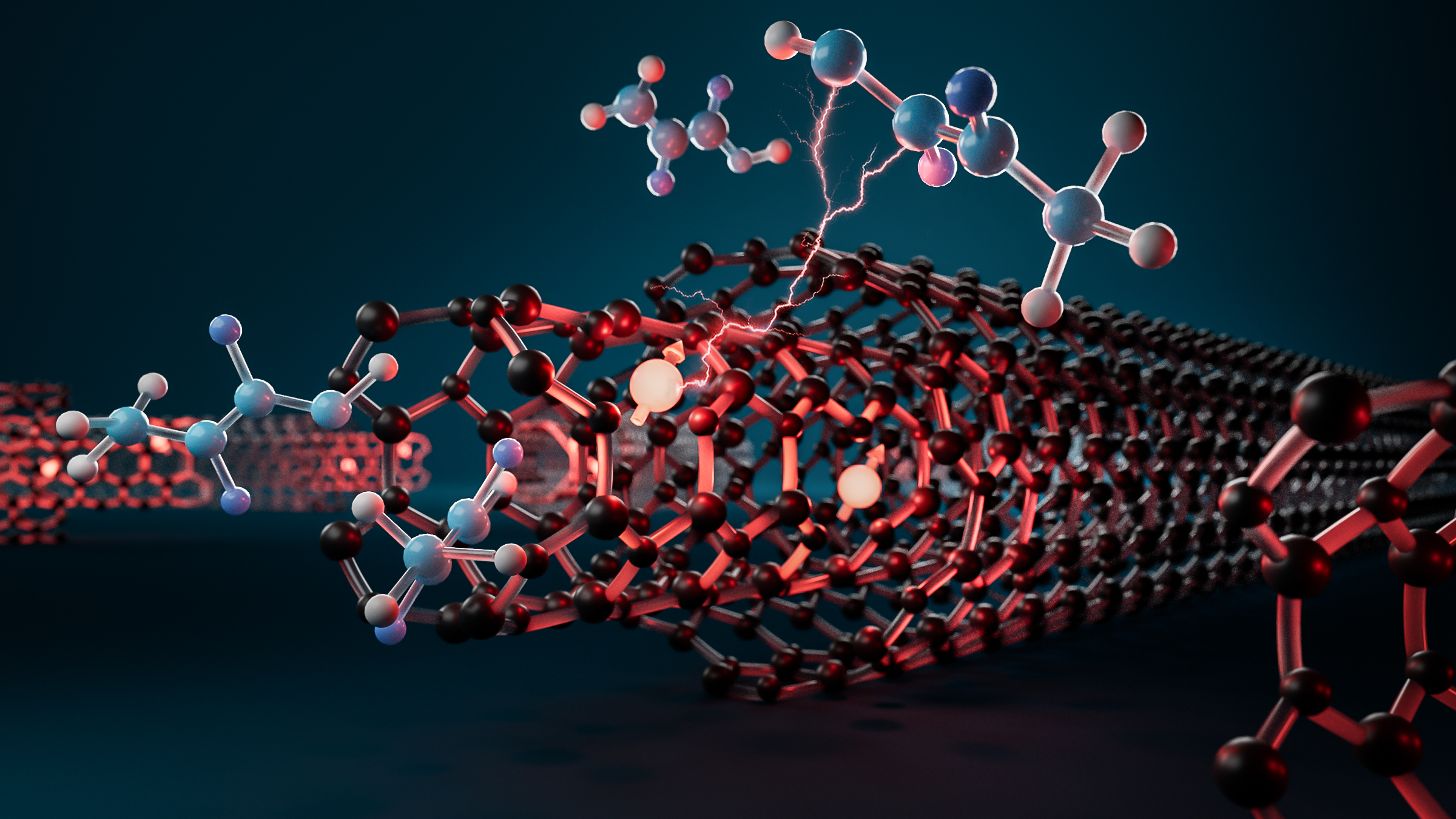
1D - Nanotube based quantum technology

We are developing a new paradigm of spin based quantum technology built on one dimensional nanotube architectures. By embedding optically active and omnidirectional spin 1/2 defect sensors into nanotubes, this platform uniquely unlocks a broad range of sensing strategies, spanning high surface area sensors based on nanotube ensembles, dynamic nanoprobes operating in complex environments, and, at the level of single nanotubes and single defects, novel scanning and raster based approaches as well as single molecule magnetic resonance spectroscopy.

Funding

Address

TUM Department Chemie
Lichtenbergstr. 4
85748 Garching b. München (Munich)
Germany

Contact

roberto.rizzato@tum.de

Impressum

RizzatoLab — Technical University of Munich
Responsible: Roberto Rizzato